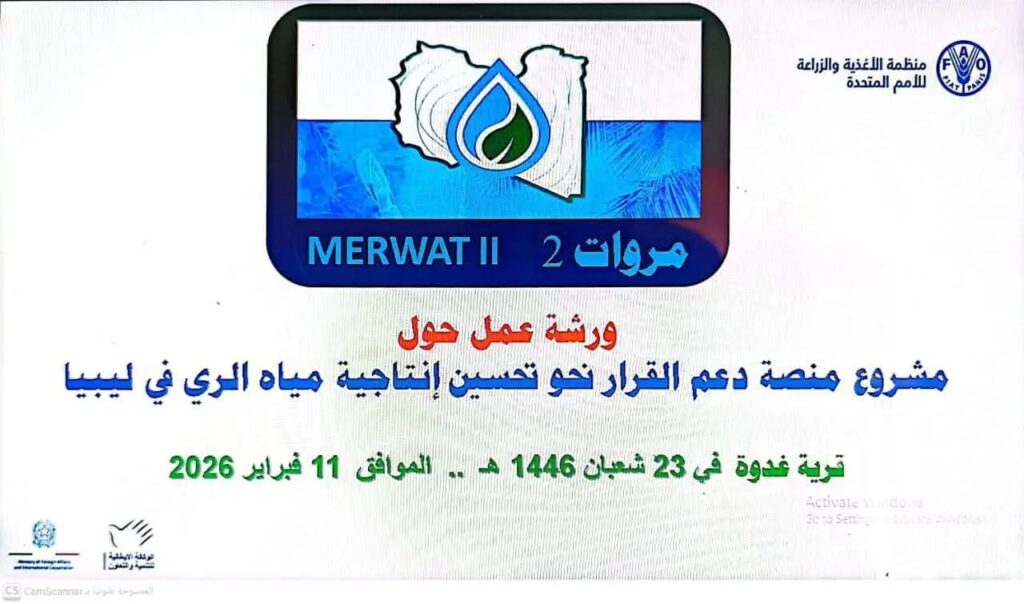
As part of the implementation of the MERWAT 2 project, implemented by the Food and Agriculture Organization of the United Nations (FAO) in partnership with relevant national authorities and funded by the Italian Agency for Development Cooperation, a number of field activities were carried out yesterday, Wednesday, February 11, 2026, at the Ghudwa Agricultural Project. These activities are part of the efforts to activate the decision support platform aimed at improving irrigation water productivity in Libya.
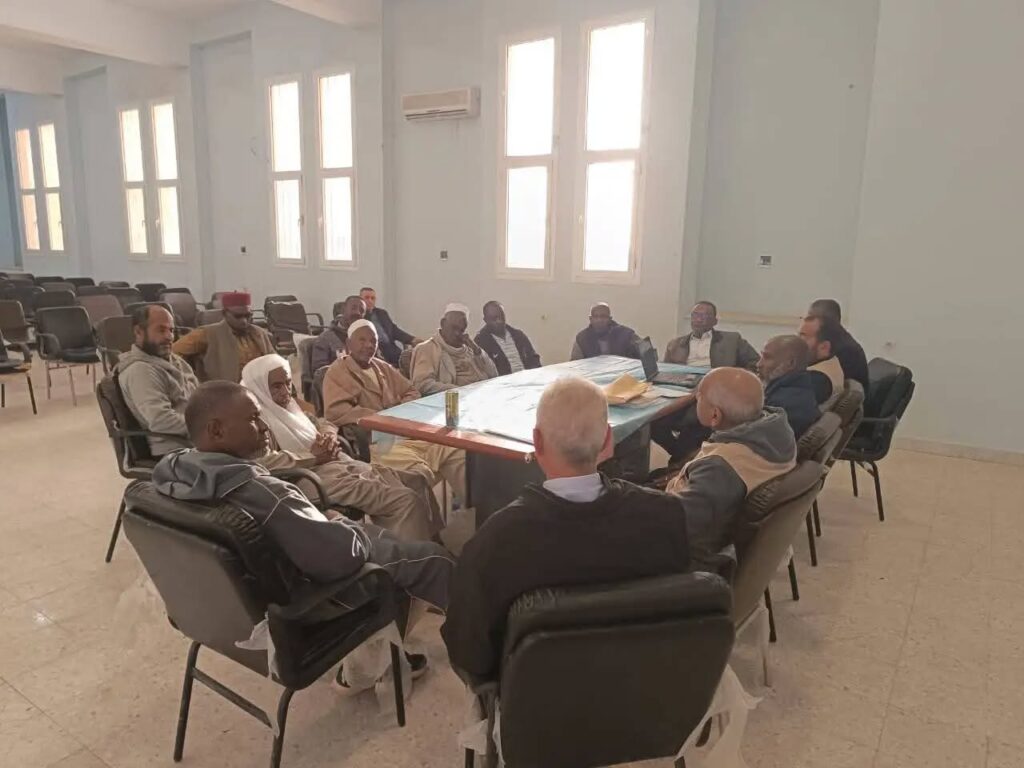
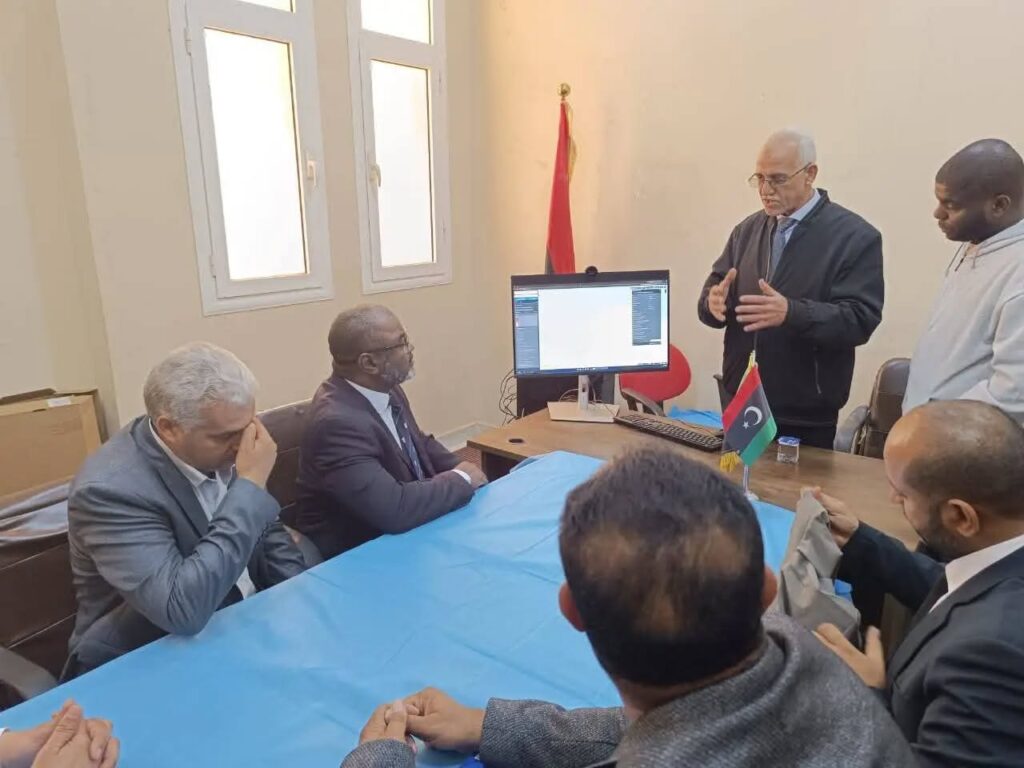
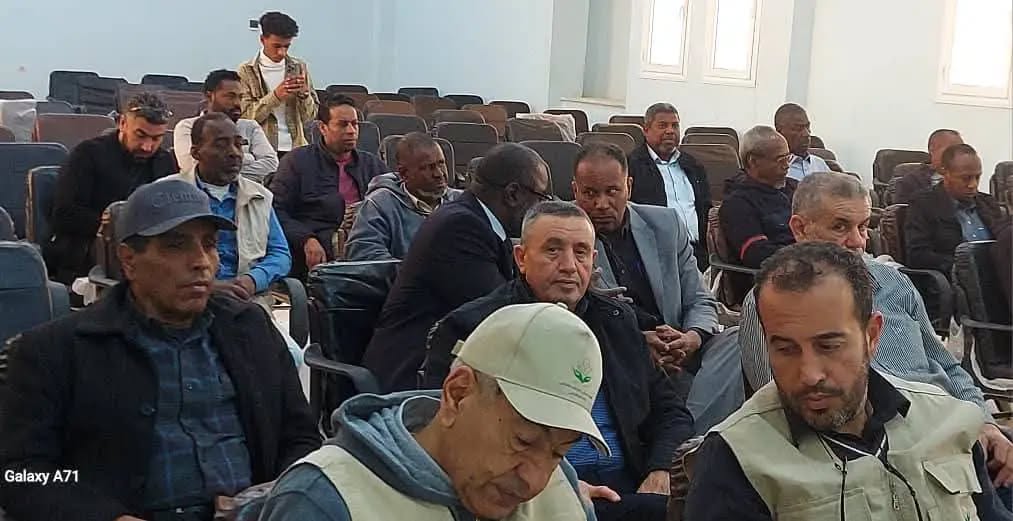
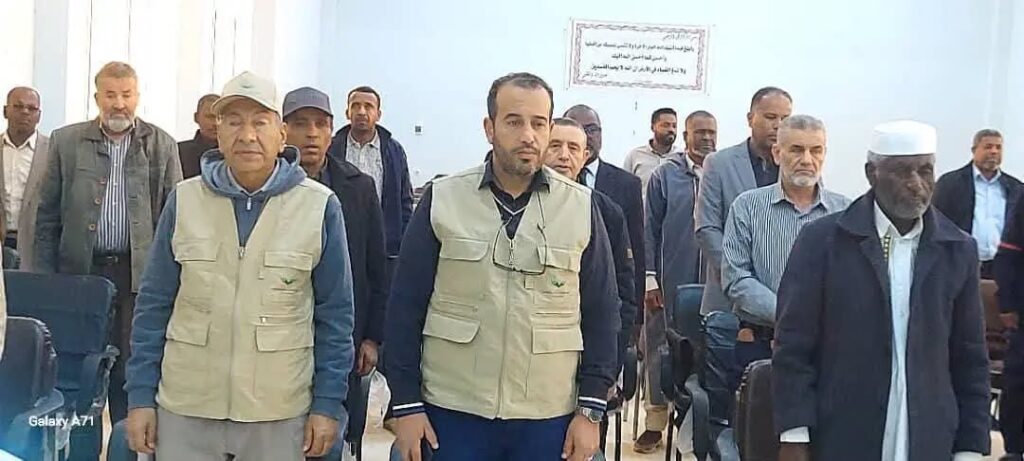
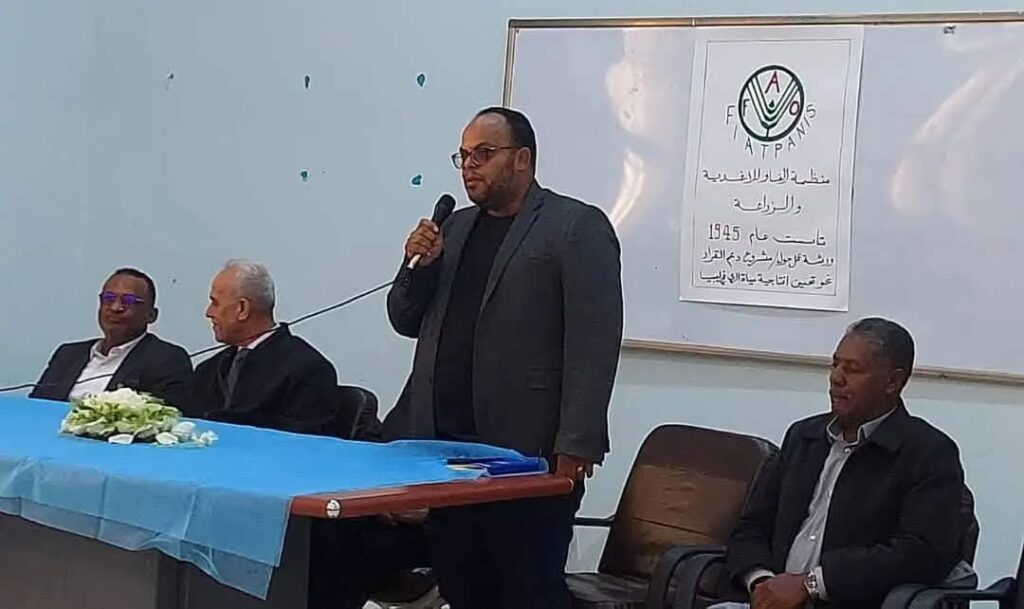
The activities began with an introductory workshop during which the platform’s objectives, operational mechanisms, and role in supporting decision-makers and farmers in managing irrigation water more efficiently were reviewed. The platform’s office at the Ghudwa site was also inaugurated to enhance its field presence and facilitate direct communication with beneficiaries and relevant stakeholders.
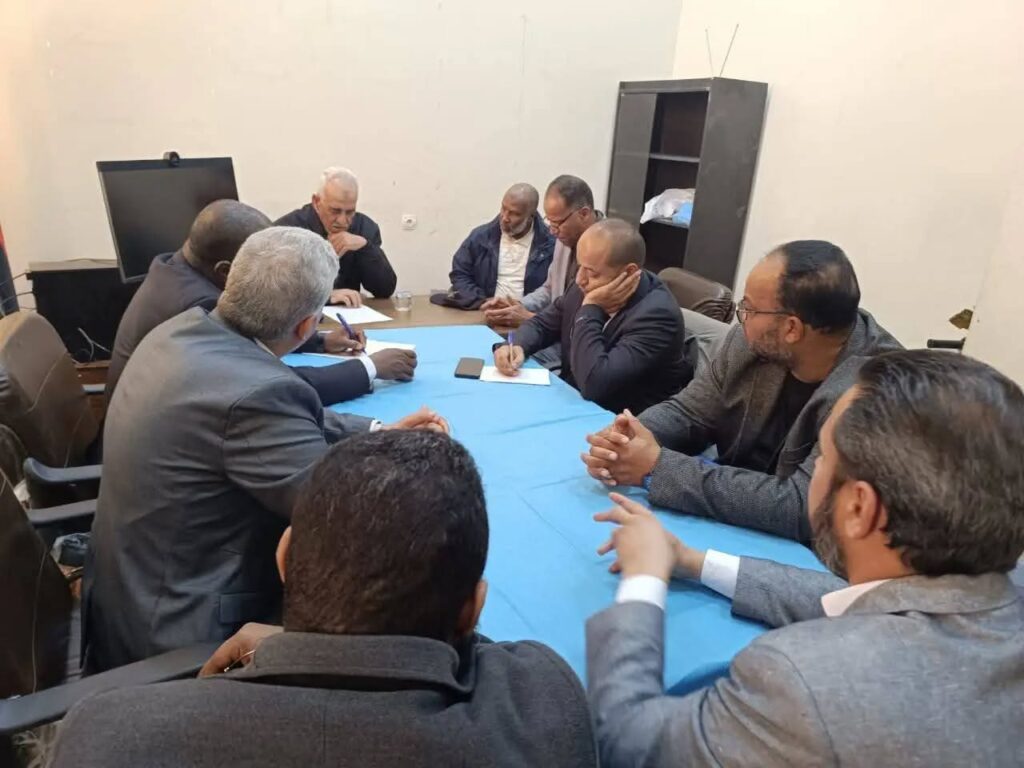
The program also included a coordination meeting with representatives of southern universities to discuss prospects for academic cooperation and to introduce the proposed Master’s program in Water Productivity, which will contribute to supporting the scientific and research aspects related to water resource management in the agricultural sector. A meeting was also held with a number of farmers participating in the project to introduce the concept of water associations and their importance in promoting collective irrigation water management. Initial steps were taken to establish the association within the project, making it the first water association in Libya.
On the technical side, a survey of project farmers was initiated to collect the essential data needed to activate the platform’s indicators. Additionally, technical inspections of the project’s wells began, and soil profiles were conducted in several selected fields to support the technical evaluation.
These activities are part of the effort to transform the Ghudwa project into a model site for implementing the platform’s indicators and promoting sustainable irrigation water management, in partnership with national stakeholders, farmers, and academic institutions.